

Kalevala
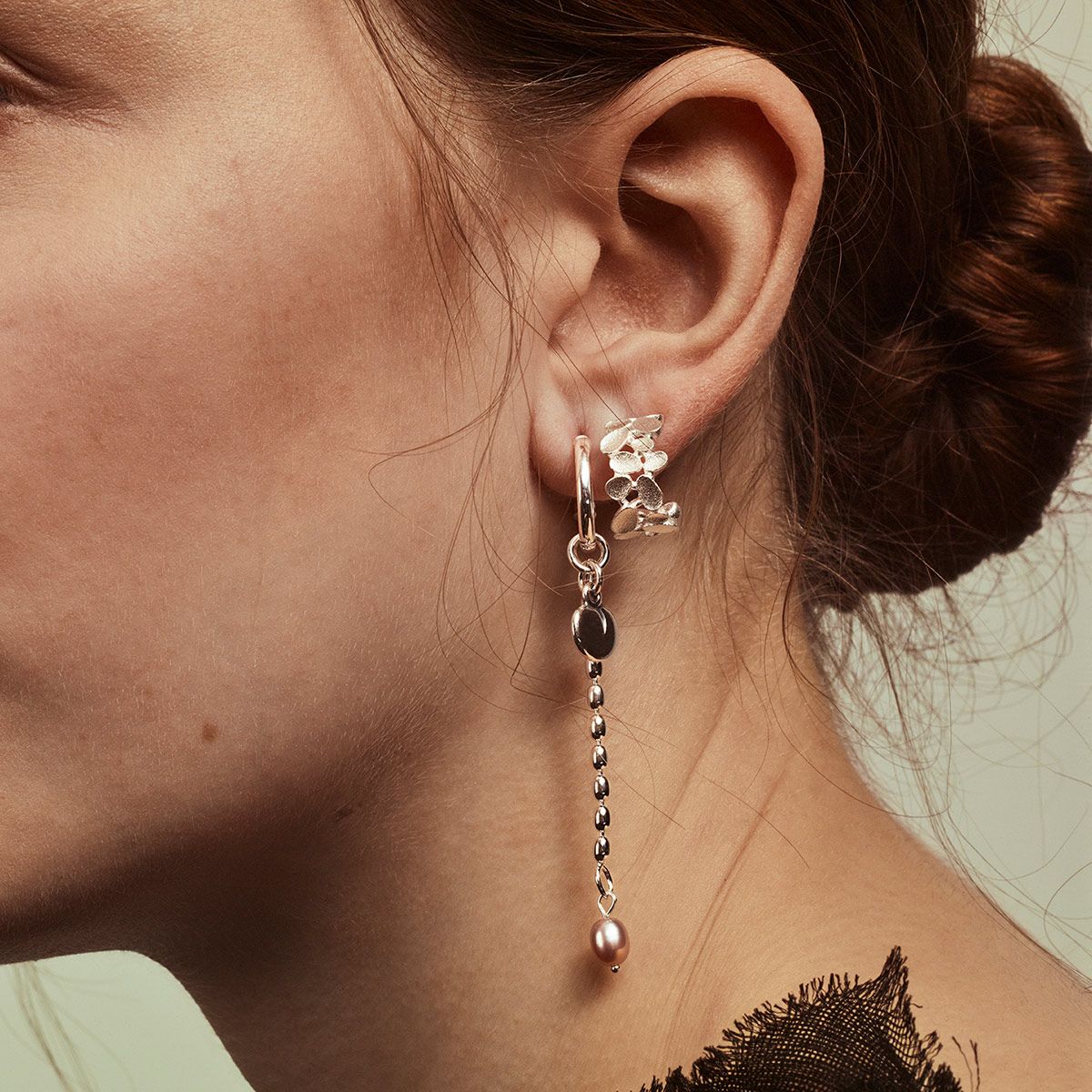
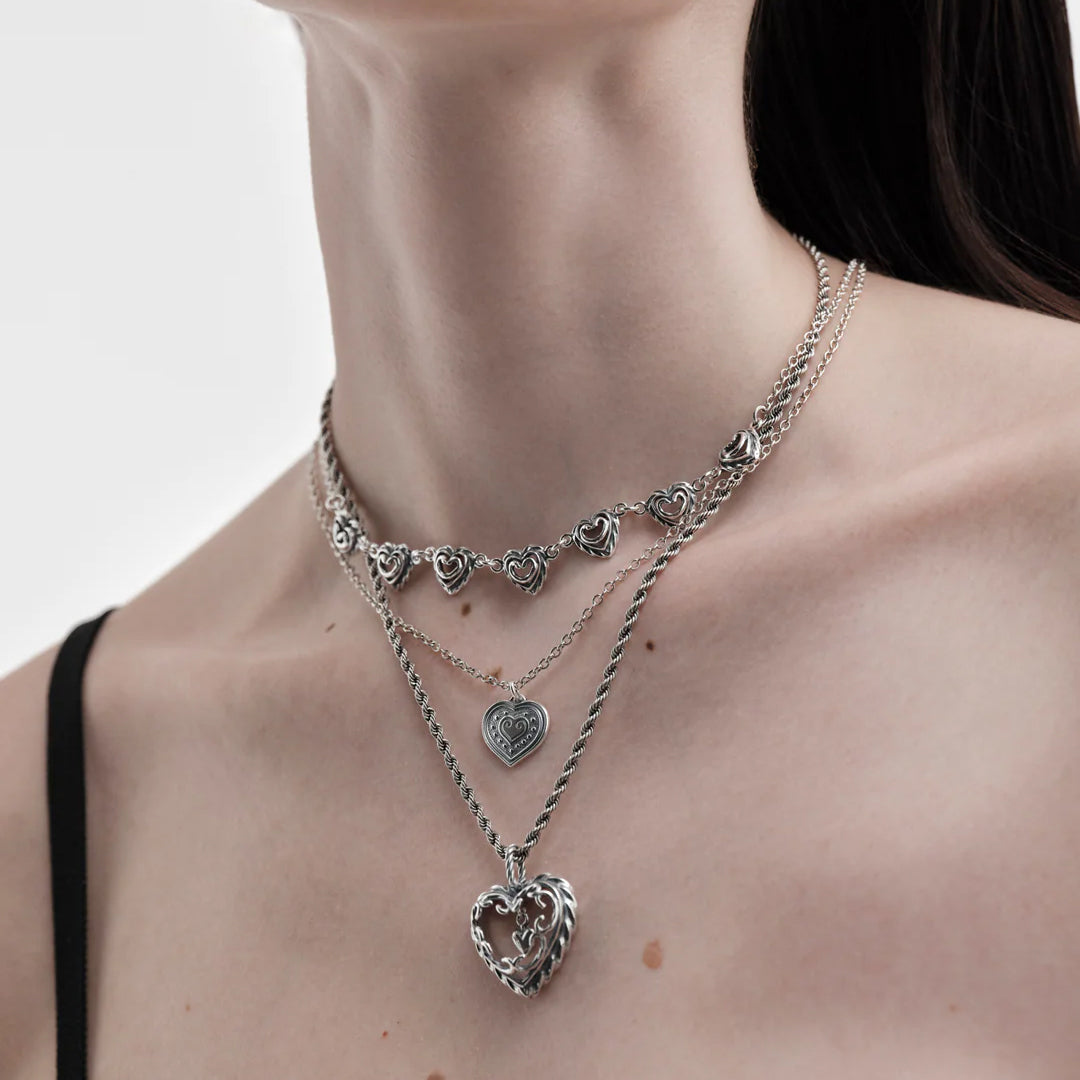
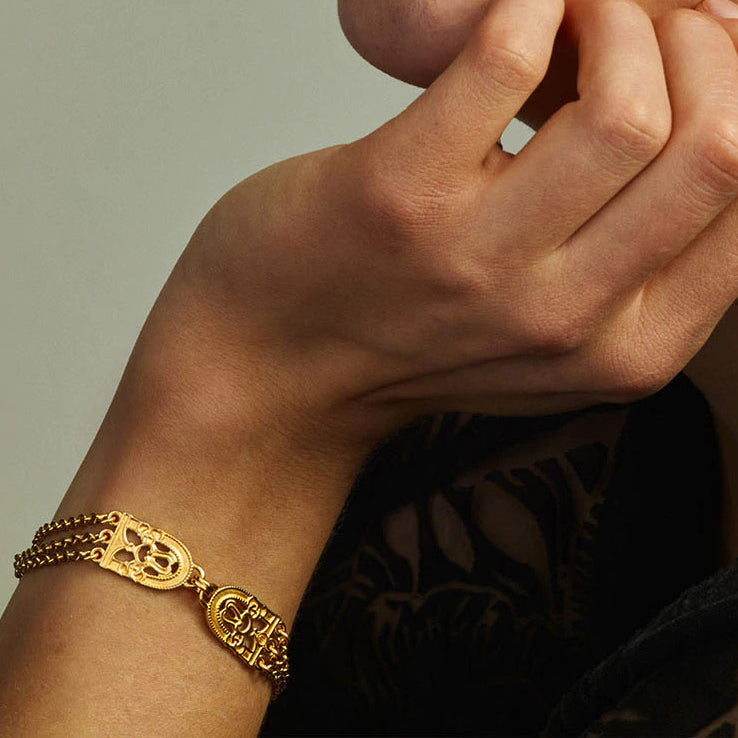
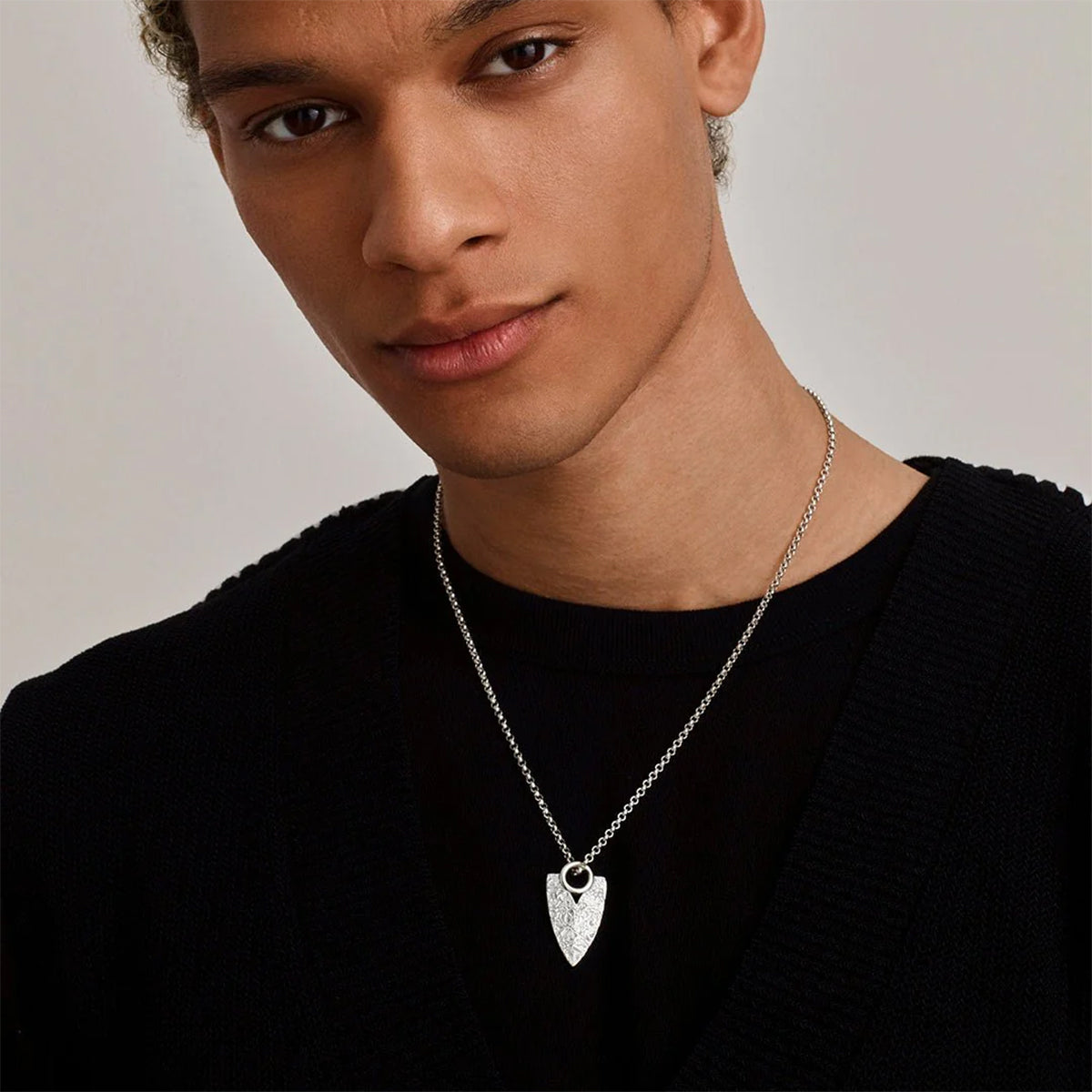
Kalevala Jewelry seeks its inspiration from the unique Finnish and Scandinavian jewelry traditions throughout the ages. Most of the Kalevala Koru models are replicas of ancient Iron Age jewelry discovered by archaeologists. Kalevala Jewelry is made from genuine sterling silver (925/000) and warmly glowing bronze. Kalevala Koru's bronze is made of an alloy of copper, tin and zinc, and is free of nickel and other allergenic material. The Kalevala Koru pieces are varnished to prevent oxidation.
More About Kalevala
About Finnish Design
Finnish design has a long history and is know for simplicity, functionality, and craftsmanship. It's trademark designs emerged in the early 20th century, and gained international attention through pioneers like Alvar Aalto in architecture and furniture, as well as companies such as Iittala, Artek, and Marimekko. Their work emphasized clean lines, natural materials, and a harmonious balance between beauty and practicality. Everything must have a purpose. Iconic products like the Aalto vase, Artek’s Stool 60, and Marimekko’s bold textile patterns established Finland as a leader in modernist design. Over the next century, Finnish design became synonymous with high quality, technical skill, and timeless aesthetics—qualities that have earned it global recognition, particularly during the postwar years when Nordic design was celebrated worldwide, and still is. Today, Finnish products continue to enjoy international respect, not only for their aesthetic value but also for their reputation of reliability, thoughtful construction, and cultural authenticity.
New Arrivals


Choose your option


Pentik Heppa Turquoise / Purple / Orange Safety Reflector
Choose your option


Marimekko Daily Variations White / Multicolor Medium Weight Cotton Fabric Repeat
Choose your option


Marimekko Unikko Brown / Blueberry / Straw Medium Weight Cotton Fabric
Choose your option


Marimekko Pieni Unikko Blueberry / Off White / Light Blue Cotton Fabric
Choose your option


Marimekko Neljännes Lossi Dark Green / Cream Wool Scarf
Choose your option


Marimekko Ensikukat Cream / Dark Blue Linen Fabric
Choose your option

